One Trick to Find the Best Talent in the AI Era: The Paid Trial Week
Everyone uses AI now: candidates to pass filters, companies to filter them. I'm a founder with no HR department, and this is the simple process I use to hire every role on my team.
 By Evgeny Maximov·7 min read·
Finding great people right now is super hard, because everyone uses AI on both sides. Candidates use it to get past filters, HR uses it to filter. It's an AI filter fight, and the winner is the person who knows how to beat the filters, not the best person for the job.
I run a content agency. It's about a year old, we have a team of seven, and I really like these people. They're great professionals. I don't have an HR department and I don't use recruitment agencies. Here's the process. It's super simple, and you can run it yourself as a founder.
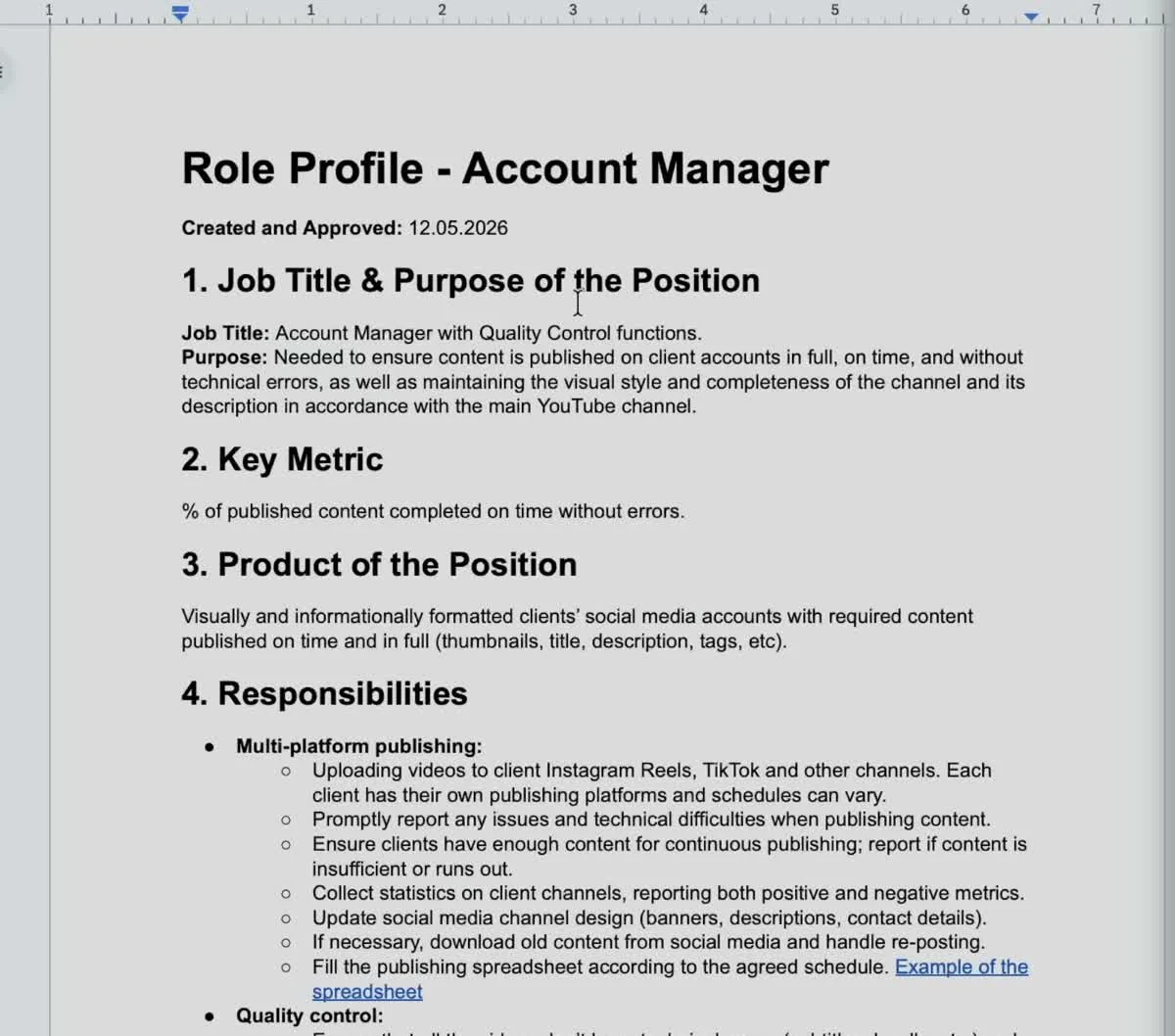
Step 1: write a real job description
For every role I write a role profile: what this person does, the requirements, and what they get from working with us. Then I turn it into a job description with a clear structure, which attracts better candidates.
Step 2: start free, then go paid
First, the free method. Post on your socials: “I'm looking for this person, tag anyone who fits.” A LinkedIn post, an Instagram story. The pro tip: send the post directly to people who might know your ideal candidate. I found our account manager through my warm network, a random guy I met at an event. We've worked together for more than six months. A story and a short post to friends also brought several candidates.
If free doesn't work in a week, go paid. For video editors, freelance chats are an uncontrollable mess. I needed two people, not 300 messages in my personal Telegram. So I paid about $30 to post the job on a local job site, and got about 300 replies.
Step 3: let filters do the first cut
Don't review 300 profiles yourself. Use screening questions that filter automatically. For editors I asked three:
- Do you use Adobe Premiere Pro? It's our main editing software.
- Can you understand and edit videos in English? You don't need to speak it, but we have English-speaking clients.
- Send your portfolio. Final videos you actually made.
The filters left about 50 people. My assistant checked their portfolios and picked 10–15 good editors. Then video interviews. I just fill my calendar: two days of interviews. For your first hires, do this yourself. Everyone presents as the best version of themselves, the god of video editing. You'll start noticing the differences and learn which questions actually reveal skill.
Step 4: the paid trial week
This is the golden step, and the reason I recorded the video. After the interviews you have several good people. But you don't know them. You spent 20–30 minutes on a call. So I say: “I have other interviews, but you're in my top three. Let's do a paid trial week. Two or three other people will do it too.”
Every word matters. I say out loud that they compete. Now it's not my risk of hiring the wrong person. It's their risk of not being as good as they said. And I'm not betting on one person. I have three bets.
The week is a series of small tasks: two or three hours a day, the same tasks for everyone, from different parts of the job. For a video editor:
| # | Task | What it shows |
|---|---|---|
| 1 | Edit a long video | Structure, pacing, retention |
| 2 | Cut shorts from the long video | An eye for the best moments |
| 3 | Edit shorts from raw footage | Short-form style and speed |
| 4 | Record a video review of their edits | Why they made each decision |
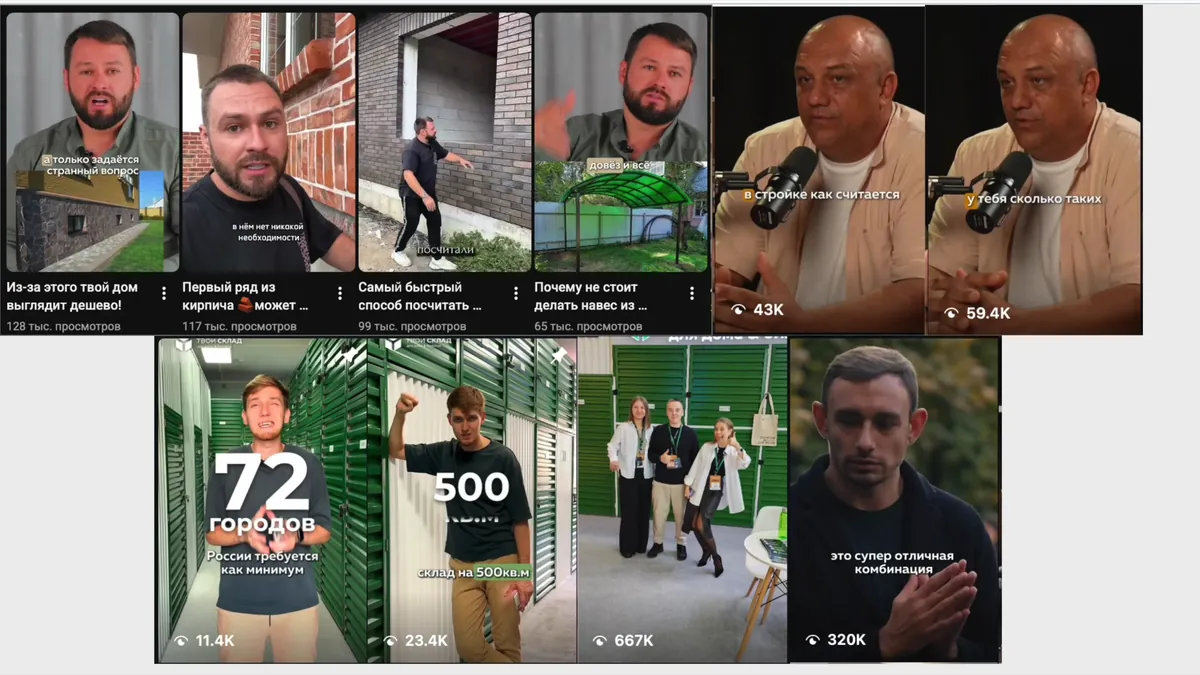
Usually one person disappears. That's fine: they don't get paid. One does OK. And one is an A-player. In two or three days it's obvious. You don't need the whole week.
Why the paid trial week works
- It saves everyone's time. No five-step, five-call interview process. It's like the fast track at the airport.
- Good people actually do the test. Many don't want to spend three or four hours on a free task and then get “rejected, goodbye”. Paid, they get compensated even if you say no.
- Candidates see the real job. Onboarding, the team, how tasks are structured. People decide if they want to work with you on day one.
- You have a backup. If someone ghosts you, you don't restart the search.
- Honest rejections. I don't reject because I'm in a bad mood. I ask if they want honest, maybe painful feedback, then show their work next to the best one. Good people value that.
I use it for every role: video editors, the graphic designer, the account manager, the YouTube producer. It works for part-time and full-time roles. For C-level hires, I'm not that big yet, so I can't say.
And once you scale your team, you'll hit the next problem: you need more clients to keep them busy. That's where content comes in.
FAQ
What is a paid trial week?
A short paid test for your top two or three candidates at the same time. For about a week they spend two to three hours a day on the same small tasks from different parts of the job. You pay for the work, compare real results and hire the best one.
Why pay candidates for a test task?
Because good people don't want to spend hours on a free test and then get rejected. When it's paid, they take it seriously, get something even if you reject them, and see your onboarding and team before they decide.
How do you find candidates without an HR department?
Start free: post the job on your socials and send it directly to people who know the kind of person you need. If that doesn't work in a week, go paid. I paid about $30 to post a video editor job on a local job site and got about 300 replies.
How do you filter 300 job applications?
With automatic screening questions. For editors I asked: do you use Adobe Premiere Pro, can you understand and edit videos in English, and send your portfolio. That cut 300 replies to about 50. My assistant checked their portfolios and picked the best 10–15.
Should a founder do the first interviews personally?
Yes, for your first hires. You learn which questions reveal real skill and start noticing the difference between candidates who all present themselves as the best. I usually block two days just for interviews.
What tasks go into a paid trial week for a video editor?
Four tasks from different parts of the job: edit a long video, cut shorts from a long video, edit shorts from raw footage, and record a short video review explaining their editing choices. Everyone gets the same tasks.
How long does a paid trial week take to show a winner?
Usually two or three days. When you compare the same tasks done by different people, the best one becomes obvious long before the week ends.
What if a candidate disappears during the trial?
It happens. They don't get paid, and you still have the other two candidates, so you don't restart the whole process. That's why you test two or three people, not one.
Should you tell candidates they're competing?
Yes, say it openly: “You're in my top three, and two other people are doing the same trial.” Competitive people like it, and the risk shifts from you hiring the wrong person to them proving they're as good as in the interview.
How do you reject candidates after a trial week?
Ask if they want honest feedback, then show them the work: their version next to the best one. It's feedback on real work, not on your mood, and good candidates value it.
Which roles can you hire with a paid trial week?
In our agency, every role: video editors, a graphic designer, an account manager and a YouTube producer. It works for part-time and full-time roles. For C-level hires it may not fit.
Founder of a done-for-you YouTube agency for high-ticket founders. Making content since 2014. More about me
Don't want to hire a content team at all?
Our 7-person team is already hired, tested and trained. You film one day a month, we do the rest. 7-day money back guarantee.
Book a call →