At the Start of 2026 I Hit Rock Bottom and Almost Closed My Agency. Here's What I Changed
December was my best month ever. In January half of my clients left, including the one that brought half the revenue. These are the mistakes that almost killed the agency, and how the team survived.
 By Evgeny Maximov·8 min read·
At the beginning of 2026 I hit rock bottom. I lost half my clients. I had to shrink the team and let people go. I went into debt. I rushed to build a sales department, which didn't work, and did a lot of random things. I was very close to putting up a “closed” sign and forgetting about the agency.
Today we're a 7-person team. In 2026 we made about 150 long videos and more than 1,000 short clips for clients, with 5M+ views. So this isn't a story about failure. It's about the not-so-obvious internal mistakes that almost killed a small business. Not “double your ad spend”.
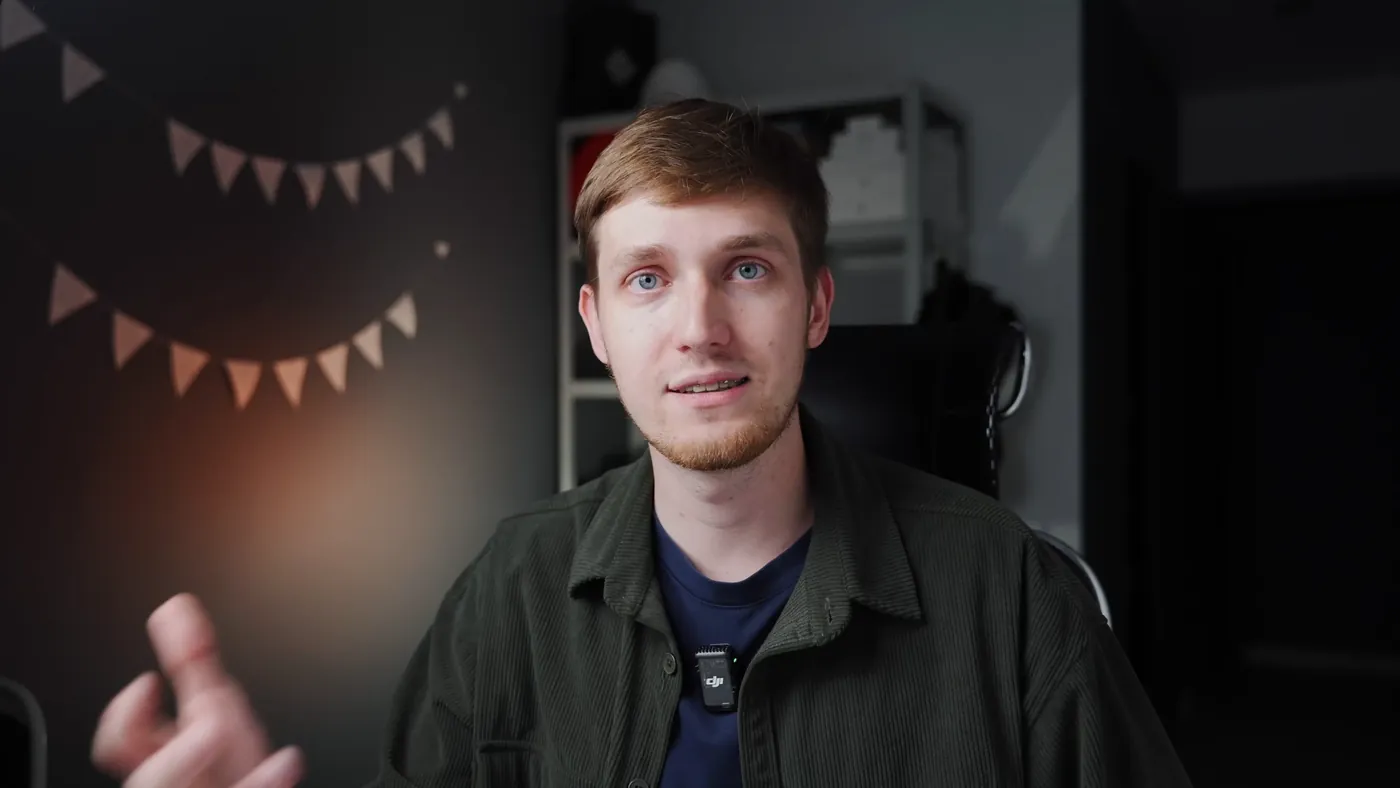
How it happened: from a record month to losing half the clients
I've been making content since 2014, always self-employed. I filmed, edited, recorded voiceovers, made thumbnails, wrote scripts, published and managed every client myself. I had great months, but I was burning out. I couldn't take more clients, and I couldn't raise prices, because better prices need better service, and alone I had no capacity for it. A vicious circle.
So in summer 2025 I decided to build an agency. In August I hired a business assistant and a YouTube producer, who still works with me. We scaled fast.
In Russia the New Year break lasts about two weeks. In January half my clients signed off: the economy was bad, no marketing budget for YouTube. And when I calculated the costs of several channels, I found out I was losing money on some clients. I was paying my own money to grow their channels. Holy crap. Revenue dropped about three times from December.
Mistake 1: salaries with no clients to pay for them
I had two video editors on a salary. I was sure I'd find new clients fast, so I didn't change anything. Through January and February they got salaries I couldn't afford. Every day I was losing money: I had capacity to deliver, but no clients to use it.
In February or March came the hard conversations. “I don't have the money to pay you. I'm taking on debt. We have a new structure: you get paid for the videos you edit. Before it was about $1,000, now it will be something like $200–400 a month, depending on the clients.” I took the debt and promised to pay them back, probably later. I let them go and found editors who work per video.
The old structure worked against me in a way I didn't see at first:
Some clients became unprofitable: editing ate the whole margin.
More complex to set up, but stable. My business assistant figured it out.
This matters because more than 50% of our production costs go to video editors. If the editor pay system is broken, it eats the margin.
Mistake 2 (almost): putting creative people on bonuses
This is a mistake I didn't make, but I was close. Results on YouTube take time. Sometimes we deliver great results fast, sometimes it takes months, because the algorithm is slow. Unless you're MrBeast, you don't get millions of views from one video.
So I thought: a small base salary and a big bonus for incredible results, like sales teams have. Before implementing it, I asked the team. Everyone said no.
“It's a roller coaster. One month you're dead broke, the next you're rich and flexing, and then you're dead broke again. Give us stability, and we can even lower our rates.”
What my team told me, in short
Creative people need to be in a creative flow. Pressure from a salary that doesn't cover the basics makes them perform worse. And our model gives stability: clients film in batches, one day for four weeks of content, so I can tell an editor “you have four videos this month, this is your pay.”
That was one of my biggest revelations. I'm an entrepreneur, I want to get bigger and hit huge financial goals. But not everyone needs a huge paycheck. People want stability, a good culture, good teammates, a smooth workflow, and no energy-vampire clients. One editor on my team also edits podcasts for Silicon Valley Girl, one of the biggest AI podcasts. He joined us because of interesting projects and stability.
Mistake 3: I was the bottleneck
I know how to film, edit, write scripts, publish and design thumbnails. So I kept jumping in: “Let's add this graphic. Let's use this font on the thumbnail.” But I had placed a producer who writes the guidelines for thumbnails and editing. Then I came with “better ideas”.
That created friction on both sides. The team had to make another version of the thumbnail. And I was disrespecting the producer's work: “This is crap, let's do it my way.”
So I recorded a five-minute voice note: I'm putting myself out of delivery. It's your field now. I still observe and check. If there's a conflict with a client, I join. But you're on your own.
It was the scariest part. My main value used to be exactly this: being a YouTube producer. Now I had to trust someone else to manage both the team and the clients, shut up, and watch them make mistakes. It was painful, and it still is. I see a client reply and my hand itches to answer immediately. But it's not my conversation. I wait for the producer.
The biggest competitors have 100 clients and 100 people. No founder can manage 100 people. You let go, or you stay small.
The levels of building an agency
Now I have a content production squad: a YouTube producer, several video editors, a thumbnail designer, an account manager. To scale the agency, I scale the squads. The biggest competitors in my local market have about 12 squads of 6–8 people each. I have the systems, and I've shown them in detail.
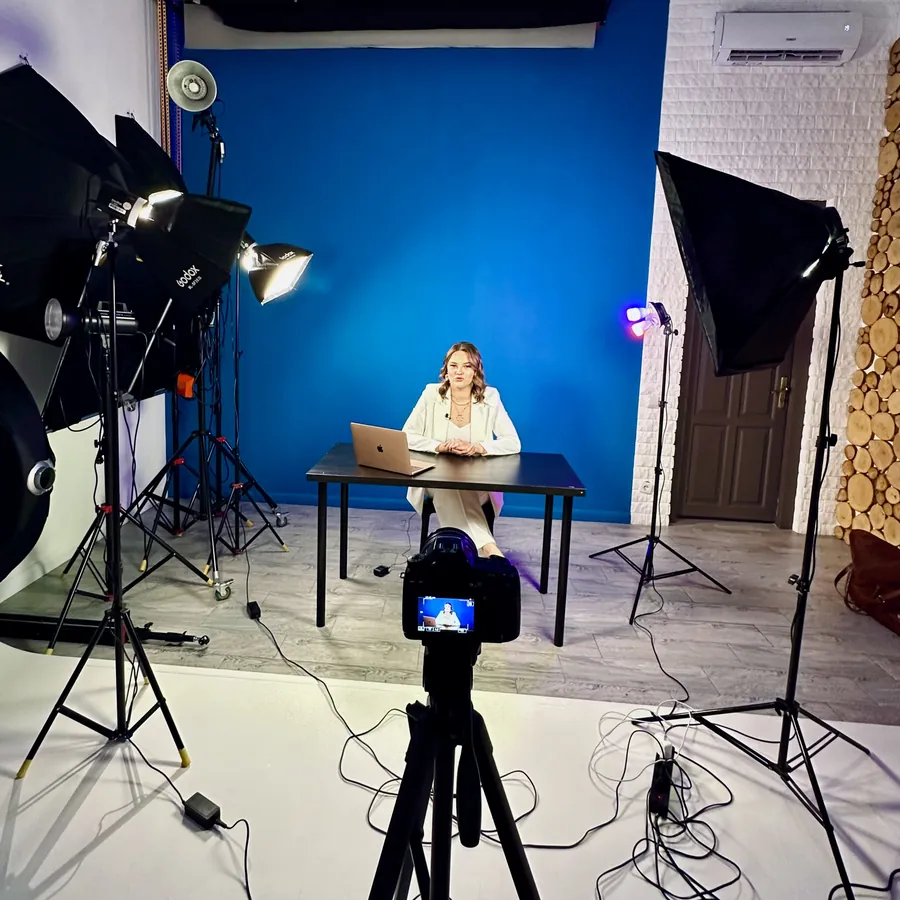
Why I'm not scaling super fast
I saw a lot of agencies skyrocket and then fail to deliver. They have systems, templates for thumbnails and editing, everything streamlined. But it's a factory that burns the team: replacing editors, underpaying designers, terrible client experience.
My profit margin right now is honestly terrible, because the local market is tough and we're going international. I keep it that way on purpose and invest in the team. Yes, I could find a cheaper editor. But an unqualified person drains the energy of the whole team.
The basics of building something special: treat the team well. Education, attention, real feedback. Not fixing their mistakes for them, but showing how to fix them and why they happened. Everyone makes mistakes. What makes you a great professional is fixing them.
I always imagined a SWAT team: highly trained, perfectly synchronized, like a sports team. A content SWAT team, with cameras and laptops. I think I built it, in less than a year after the crash. And today I don't have a single person on the team I think I should have let go a long time ago. If you want this system without building an agency of your own, here is how our done-for-you YouTube service works.
FAQ
Why do content agencies fail?
In my case, three things almost closed the agency: a fixed payroll that didn't match the number of clients, the temptation to push a performance-bonus model on creative people, and the founder staying in delivery as a bottleneck. The client losses only exposed them.
Should you pay video editors a salary or per video?
Per video. With salaries, every delay costs you money: if a filmmaker sends footage late, the video moves a week and you still pay the editor. Paying per edited and delivered video makes costs predictable, and editing is more than half of our production costs.
Do performance bonuses work for creative teams?
Not in my experience. When I asked the team about a small base salary with big bonuses for great results, everyone said no. Results on YouTube take months, so bonuses turn income into a roller coaster. Creative people want stability and good projects.
What do video editors want besides money?
Stability, predictable volume, a good team culture and interesting clients who don't drain their energy. One editor who also edits a big AI podcast joined us for exactly that: interesting projects and stable work.
How do you stop being the bottleneck in your own agency?
Hand the delivery to the producer and stay out of it. I recorded a five-minute voice note saying I'm putting myself out of delivery. I still observe and join conflicts with clients, but I stopped rewriting thumbnails and graphics the producer already approved.
What are the levels of scaling an agency?
Level 1: you do everything. Level 2: an assistant and freelancers follow your directions. Level 3: a producer gets your direction and manages the team. Level 4: managers of managers, so you can run several teams (squads).
What is a content production squad?
A self-contained team: a YouTube producer, several video editors, a thumbnail designer and an account manager. To scale the agency, you copy the squad instead of making one team bigger. Big agencies in our local market run about 12 squads of 6–8 people.
Why not hire cheaper editors to improve margins?
Because a cheaper, less qualified editor drains the energy of the whole team. I keep margins low on purpose and invest in the team, so we can deliver great service. Many content factories burn out and replace their people. I don't want that.
How did the agency lose half its clients?
After our first months as an agency, many clients left during the long New Year break in January 2026: the economy was bad and marketing budgets were cut. One of them brought half the revenue. I also found some clients weren't profitable at all.
How long did it take to recover?
Less than a year. We rebuilt the pay structure, the processes and the culture. Today it's a 7-person media team where I don't have a single person I think I should have let go.
Full video transcript
Transcript of “The $100K Mistake That Almost Destroyed My Business”. Auto-generated from the spoken video, lightly formatted.
At the beginning of 2026 I hit the rock bottom. Basically I lost half of my clients and I'm the agency founder and I had to shrink my team, I had to fire several team members, I need to somehow make some money because I am going into debt. I was rushing to build like a sales department which didn't work out and I was doing a lot of random activities. I could fail, I could close my agency because of bunch of mistakes. Video I will share my story and share several tips how I survived because it was super close to like just okay let's put a closed sign and forget about building an agency, creating a lot of content for clients like just forget about it.
In 2026 we produced I think something around like 2000 videos both long form short form for a bunch of clients and we generated I think more than 10 million views across social media channels including YouTube, Instagram, TikTok. And this video will be super valuable for like small business owners like mine because I will share some tips that are not so super obvious. It's not about like "Oh, I need to double my ad spend". It will be more about internal reasons and also like the reasons how you should build or like change the agency.
Otherwise you can burn yourself. Imagine end of 2025 you hit the record month in terms of the revenue you have bunch of clients and you're like holy crap I won this life because I created content since 2014 and basically I'm like too old I spent too much time creating content for YouTube throughout the whole journey I was a self-employed I did everything by myself I filmed the video I edit the video I record voiceovers I made thumbnails I publish them I write scripts like I did everything I manage all the clients by myself and at the end of 2025 like during the summer of 2025 I decided that I don't want to do everything by myself I want to build an agency and I need to delegate because otherwise I like hit really nice months in terms of the revenue but I just burning myself out because I can't take more clients but at the same time I can't scale prices because for these prices I need to provide better services but because I have self-employed I don't have the capacity to provide better services so it's like this vicious cycle and we scaled like really fast in August I hired a business assistant and YouTube producer who is still working together with me I just collected a bunch of clients we start working together as an agency in Russia we have really long holiday break at the New Year so basically it's like two week weekend because of the New Year celebration and during the January of 2026 half of my clients they just sign off they just like we won't work with you because we just check the numbers economic situation in the country is not good we don't have the marketing budget for growing YouTube channels I also calculated the cost of several channels and I understood that oh holy crap I am losing money working with this client it's not profitable client I need to put my own money to grow other channels.
Holy crap. So we scaled in revenue. December was like the peak, the top performing months. And after it three times deep. Like we lost most of the clients and it was really painful. We lost one client who generated half of the revenue and it was like terrifying. And the first mistake that I made that I didn't change the incentives to my team because I had two video editors and they worked on a salary and I was like really confident that all like I will find clients really fast. I don't need to fire them or change the performance structure.
And basically throughout January and February they got salary which I couldn't afford. And I was understanding that that's a really big mine. And like every single day I'm losing money because I have capacity to fulfill but I don't have clients to use this fulfillment. And that was the main problem. In February or like the March I had this like really hard talks that like I don't have the money to pay you. So I'm taking the debt. We have a new structure, we have a new pricing model where you pay only on amount of videos that you edit.
For example you made a thousand dollars, I don't have a thousand dollars to pay you. In future you will make something like two to four hundred dollars per month based on amount of clients that you can take. I had several hard conversations with video editors. I took the debt. I said that I will pay you sooner or later, probably later, because right now is really tough situation. And I let them go. And I found other guys, other video editors who pay, who get paid based on the performance, on amount of videos that they actually edit and deliver.
All payment structure basically worked against me because, for example, we need to publish a podcast episode on Thursday. But because we have a problem that for example a filmmaker delayed with providing the footage plus he provided the footage with some mistakes and like glitches inside the footage so we need to postpone the publishing of the video till the next week and i need to pay for this delay to the video editor he didn't do anything during this time and i need to pay for it and sometimes we have like several times where we just postpone, postpone, postpone, postpone and because we can't like make the final version several clients they become just not profitable because video editing side ate all the margin.
Holy crap. At beginning it was just mind-blowing I didn't know how to actually do this and implement this but again thanks to my business assistant I figured this out and it's not so complicated to do. Yes of course it adds additional complexity but it adds additional stability that I know that okay I will invest this amount of dollars on video editing. That's all. Because right now we are calculating the cost and like more than 50% of total costs inside production team goes to the video editors. And imagine if you have broken system for video editors, they will just eat like all the margin.
Next mistake that I didn't make, but I was thinking to make. It was about like, okay, we get, we create content. We sometimes deliver a really great result. Sometimes we need to wait several months to get incredible results. Because YouTube algorithm is much slower. You can't make a video and get millions of views. You can make it, but you need to become a Mr. Beast. So it's completely different level of the game. And I was thinking like, oh, maybe I need to make a performance based offer for my team. "Oh, you have a really small base salary, but if you achieve super great incredible results, you will get a huge bonus." And I understood that, like after speaking with my team members, I understood that it's a very terrible practice.
Because we are creative people, we need to be like in this creative flow, creative mode. And when you have this structure where you can't cover your basic costs with basic salary, with like really small salary, but huge potential compensation, a lot of sales people have, it put additional pressure under the team and they perform much worse. Before like implementing the system, I asked my like team members, like, do you like the system? What do you think about the system? Like you can potentially earn much more because we have this compensation structure.
But everyone said no, because like we were as before and we understand the pain that yes you can make much more if you sign if you get like a really nice client with a huge paycheck but it's like a roller coaster one month you are dead broke second month you are like super rich and you are just living your life like flexing but after it you again dead broke basically they said like provide to us stability that we will make x amount of dollars every single month based on the amount of clients that we have and we will be able to lower our like freelance rate because of this stability and predictability.
Because in our service we basically batch film all the content. Basically you spend like several hours per month and you create videos for the next month in advance. Like you spend one day and you have four weeks of content. And because of this predictability that I can say like video editor you have four videos to edit. This is the payroll that you will make. And that's one of the biggest revelations. Like okay I'm an entrepreneur. I want to get bigger. I want to make more money. I want to like hit huge financial goals.
But different people they don't need this huge paycheck. They want stability. They want to have a good working culture. They want to have a good team members. They want to have a really nice like workflow process. They don't want to spend a lot of time like working with like shitty clients that take all the energy, like drain all the energy like vampires. I had an editor in my team who works for like Silicon Valley girl. He edits podcasts for Silicon Valley girl, one of the biggest podcasts in AI world. And I got him because we have nice interesting projects and he likes the stability.
Next mistake I call it like being the bottleneck. Because again I said that I did everything by myself and it's like a huge journey and i know everything how to film how to edit how to script write how to publish how to do thumbnail design and i understand that sometimes like i had to remove myself from the production side from the delivery because i was like putting my sticks like oh let's add this specific graphic oh let's use this specific font on the thumbnail but i understand that because of my ideas i ruined the productivity and efficiency i placed a specific person who is responsible for creating like writing technical documentation about which thumbnail to create about how to edit the video and here is me with like better ideas so it adds additional like friction and pressure from both sides first one it's like my ideas that you need to implement so again you need to create an another version of the thumbnail for example.
At the same time because of my ideas I'm disrespecting the work of the YouTube producer, like the value of actual producer who's responsible for doing this. I'm like saying like oh this is a crap like let's let's make this work using my way and that was the huge problem and I had the talk like I recorded like a five minute voice note like I'm putting myself out of delivery like it's it's it's your field right now I'm not responsible for it. Of course I'm observing, I'm checking like everything is good if needed. If you have like a conflict situation with the client I will join but you're on your own.
And it was the scariest part because I was thinking like holy crap that's like the main value of me as a like former YouTube producer that I need to somehow deliver the core value to other person. I need to trust this person, trust his professionalism that he can both manage the team and manage client and I just need to shut up and like saw how he make mistakes and that was like the scariest part it was a painful experience but again I'm checking like observing like biggest competitors in the world they have 100 clients they manage 100 clients they have 100 person team and it's impossible for me as a founder to manage 100 people so I need to let go and like just do the I hired you to actually deliver, to actually do the work.
At the beginning it was really painful. I had this like each in my head. I need to write the feedback, I need to write the comment. I'm seeing the reply from a client and I need to respond it ASAP, like immediately. But I'm like that's not my situation, that's not my conversation, waiting for the producer to join. And it was really painful and it's painful still. But right now I understand that. I have a squad, like content production squad. It's like YouTube producer, several video editors, Thumbly designer, account manager.
That's like the main squad that I can scale and basically how to scale an agency I need to scale these squads. The biggest competitors on my local market has something like 12 squads like each has like six to eight people and right now I think I'm actually ready because I have all the systems I have the video about the systems how it works how it operates it's like super detailed I see this as levels. Like firstly, like level one, I did everything by myself. Level two, like I hired an assistant and I hired several freelancers and they did different actions based on my directions.
It was completed. Next step, where I had a YouTube producer and I give direction to this producer who gives direction to other guys. And I'm like, I'm completing this level. Next level is like I need to have a manager of managers of managers to scale the company and become like really big, really huge. And it's still a painful journey, but we need to scale and get more clients. And after it, we will speak about this next level. The main idea that I'm trying to share with you that I don't want to like scale super really fast because I understand that it will lower the quality.
And I saw a lot of guys that just skyrocketed, but they couldn't fulfill and couldn't properly deliver. Yeah, they have systems, but they have a terrible working culture. They have terrible client success experience. Right now, my profit margin is like really terrible because like I am serving on the local market, trying to go global, going international and profit margin on the local market is terrible. And I'm keeping this terrible because I'm investing in my team to be able to have the capacity to provide really great service and not like trying to find a cheaper editor.
Yes, I will find a cheaper editor, but this person will suck all the energy out of me or like out of the team because he's just not qualified enough. I saw how other content agencies operate and it's terrifying. They don't have working culture. Yes, they have systems, they have templatized versions of the thumbnails, of the video editing. It's like super streamlined, but it's just a factory that produces a lot of content, but it's like burning the whole team throughout the process. So they're just replacing video editors, replacing thumbnail designer, underpaying them.
It's like very terrible. I'm really proud of myself because I built a team and like built a culture where I don't need to, I don't hate them. Like, you know, like when you have this like team member, it's like, I should fire you a long time ago. I don't have these people in place right now. And it's like really great. I have seven person media team and everyone is a great, a great person, a great profession. If you want to make something like big, something special, something unique, you need to covered basics and basic is like treating your team like a nice team like a good team the team deserves a lot they deserve education attention investing in their problems like observing like how they operates like trying to improve them provide them valuable feedback not fixing their mistakes but showing how how to fix this mistake and why did they did this at the first place showing them that you can make mistakes but the main part it's not about mistakes that you make Everyone makes mistakes.
It's about like fixing these mistakes. And only after it you become really nice, great professional. I always had this thought that, oh, here's like SWAT team, like military guys. And they're like super highly professional, highly trained. They have like this synchronization, like sport team. And I was like thinking, oh, I need to build like this content SWAT team with cameras, with like laptops to edit videos. And I think I did this. And that's really great. and I did this in less than one year after this huge break.
If you think that "Oh, I need to have a really nice team that will handle my socials" again, you know the place. You know me right now because you watch this video and you can subscribe on the channel because I will share more tips about it and if you need help, like direct help and it's not just a coaching solution it's not like here's an online course which you will watch and you won't even watch it and you will just drop it in the garbage bin or ask for a refund. We are complete "Done for you" solution, where you just need to invest one day a month to record a bunch of videos and that's all.
We will handle the rest. So if this sounds like you want to scale and grow and crush on socials, use a link in the description. and thanks for watching here's like different other videos subscribe like all the stuff and see you in the next video
Founder of a done-for-you YouTube agency for high-ticket founders. Making content since 2014. More about me
Want a team that's already been through the fire?
Our 7-person squad runs on these lessons. You film one day a month, we do the rest. Not a course, not coaching: done for you. 7-day money back guarantee.
Get a free niche review →