Batch Filming: How We Film a Month of YouTube Videos in One Day
In 2021 I had two weeks before leaving to work on a tanker with no internet. I filmed fourteen videos. They came out every week for four months while I was at sea. Consistency is not a habit. It's a filming day.
 By Evgeny Maximov·9 min read·
What is batch filming, and why does it work for founders?
Batch filming means you record many videos in one session instead of one at a time. For a founder it's the only way to stay consistent on YouTube.
I learned it in August 2021. I had two weeks before leaving to work on a tanker for months, with no internet. So I built a system: content in big blocks, made in advance. In those two weeks I filmed fourteen videos. They came out every week for the next four months while I was at sea. The hardest part left was pressing “publish”.
Work one day, get a month of content. Consistency is not a habit. It's a filming day.
How many videos can you film in one day? The 1–4–20 rule
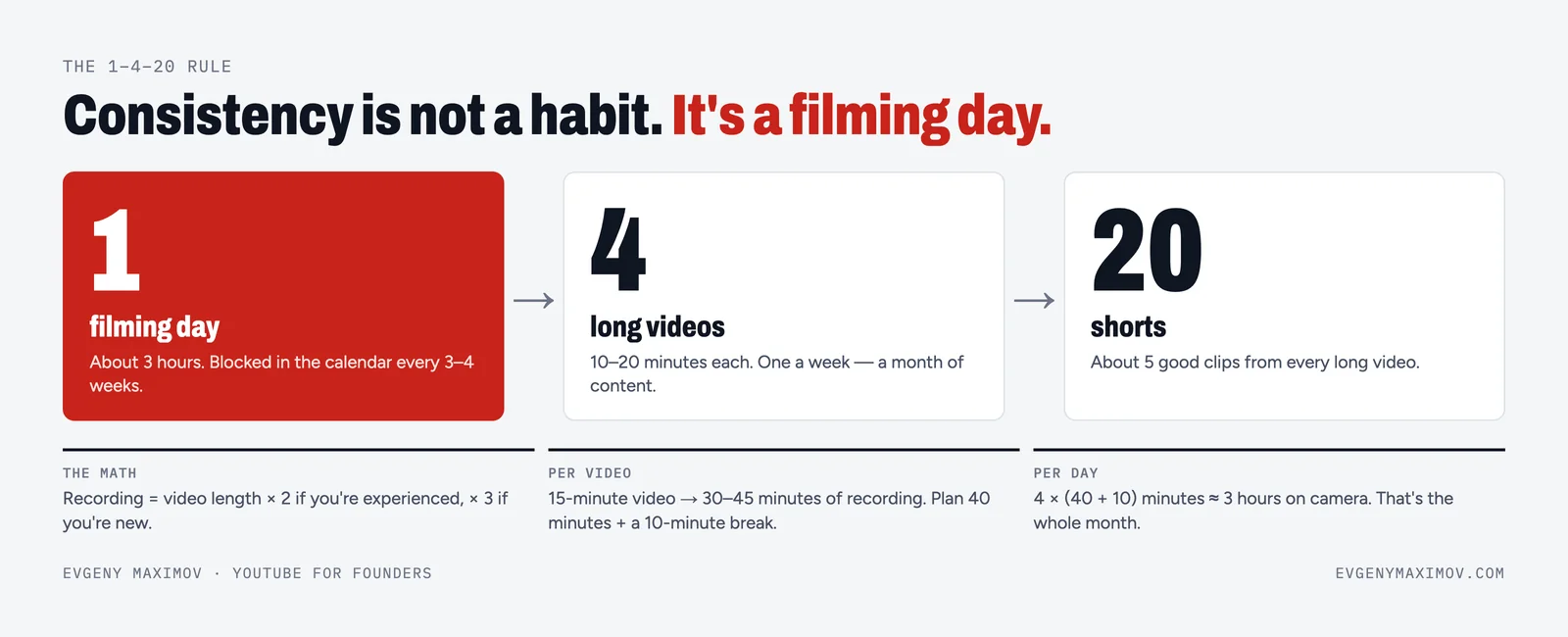
The math is simple:
| Step | Number |
|---|---|
| Final length of one long video | ~15 minutes |
| Recording time (×2 if experienced, ×3 if new) | 30–45 minutes |
| One video plus a break | ~40 + 10 minutes |
| Four long videos | ~3 hours |
| Good clips from one long video | ~5 |
| Shorts from four long videos | ~20 |
Why not more clips? Because about five good clips from a 15-minute video is the honest number. More is usually worse: weak clips dilute the channel.
How much time does this really take from a founder? Our client Ayuna spends about two hours a month on camera. Four long videos, twenty Shorts, and +26,000 subscribers in five months. Read her case.
The calendar contract. Block four hours in your calendar like a board meeting. “Someday” is not a date. A date is a commitment. Do it every three to four weeks, because editing needs a buffer. No new footage, and the whole production stops, like an hourglass.
Which video formats should you test?
In the first quarter we test ten or more formats with every client, to find the one they actually enjoy recording. The best format is the one you can keep doing for two years.
- Talking head with a one-page anchor script.
- Podcast or interview. The easiest first long video: someone asks, you answer, you forget the camera.
- Screen share. Walk through a document, a deal or a dashboard. Great for introverts.
- Whiteboard or Miro breakdown.
- Recordings of talks and workshops you already give.
- Walk-and-talk.
- A case interview with your client.
Talk to clients all day? Try a podcast, an interview or a client Q&A. More of an introvert? Screen share or a whiteboard. Our client Elisabetta, an Italian fluency coach, tried formats she enjoyed watching other creators make but had never tried herself. In her words: “Thanks to your team, I tried to do it. Otherwise maybe I would not have done it.”
Can you batch content you already create?
Yes, and it's the fastest content plan you have: your calendar. Investor calls, webinars for partners, keynotes, podcasts where you're a guest. You already talk a lot. You just don't record it right.
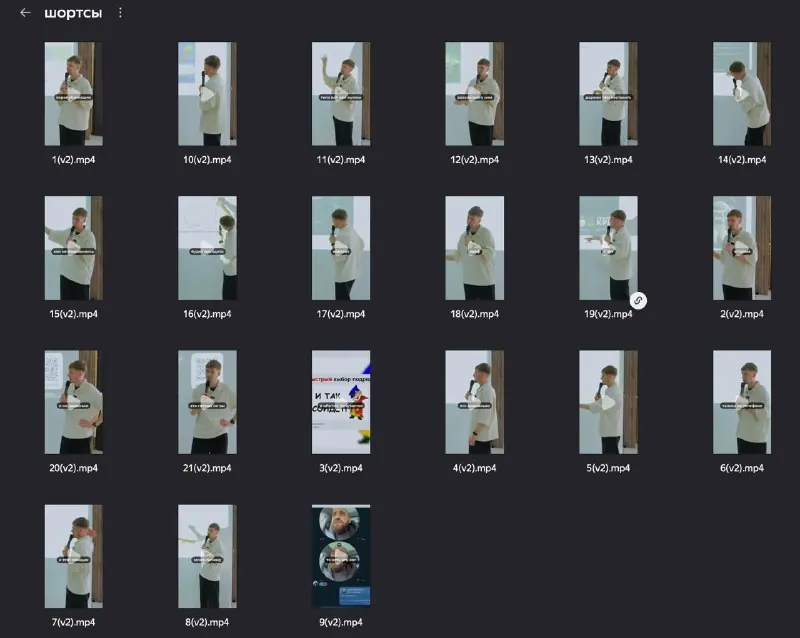
One 30-minute talk I gave at an event became 21 Shorts. A month of content in half an hour. People book a studio, a camera operator, a stylist and a makeup artist to film the same things they already say on stage. Put a camera on a tripod and clip on a mic. That's your content.
What gear do you need for batch filming?
Less than you think. Start with under $500: an iPhone, a wireless microphone and a light. Upgrade when the channel works, not before.
In 2022 I owned two cameras, four lenses, two laptops, two recorders and four microphones. Who needed all of it? Nobody. When I finally bought something, it was an iPhone, for half the price of a new camera. Stupid business math: it pays back faster.
Gear is the safest way to avoid showing up. It feels like work. It isn't.
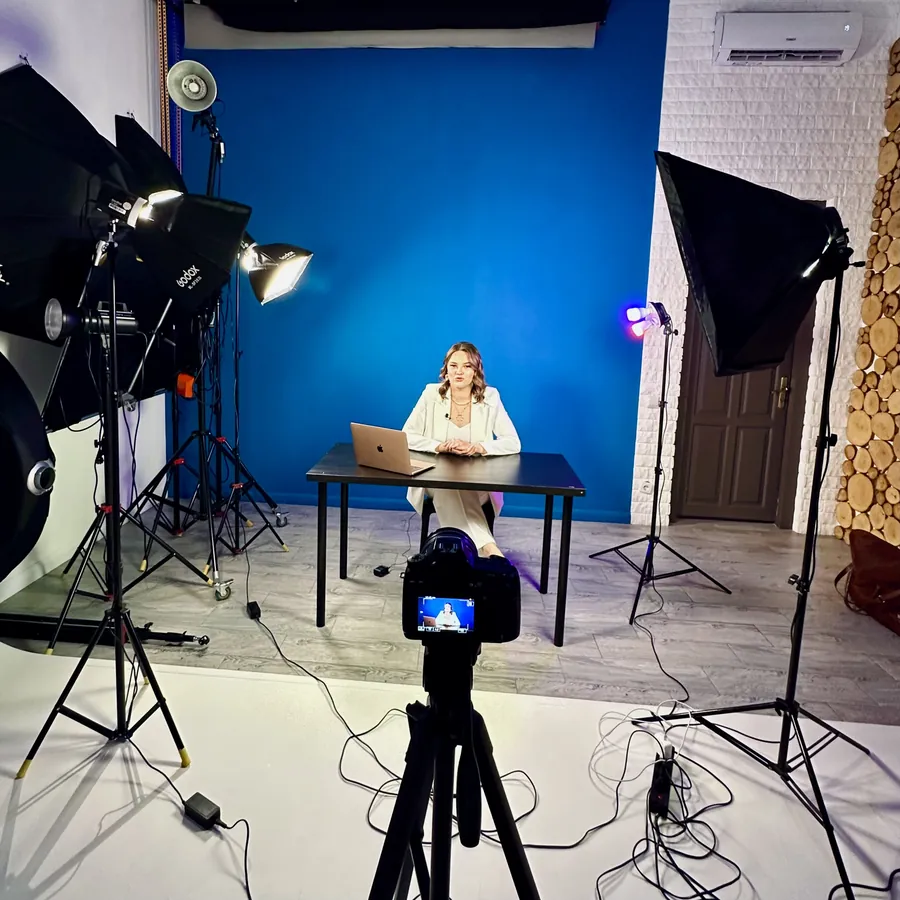
Here's the full ladder of nine filming setups, from Zoom and an iPhone to an outdoor shoot, with what each one costs.
Filming day checklist
A filming day fails because of small things, not big ones. Here's what we check before every client shoot.
Before the day
- A one-page anchor script for every video, ready two or three days before, not the night before.
- Two or three outfits, so each video can look like a different day.
- Charged batteries, empty memory cards, and free space on the phone. That last one is the number one problem on client shoots.
- A backup location and a backup operator, with contacts saved in advance.
On the day
- Light and sound check: record 30 seconds and listen back.
- Water, light snacks, a 10-minute break after every video.
- Change outfits between videos.
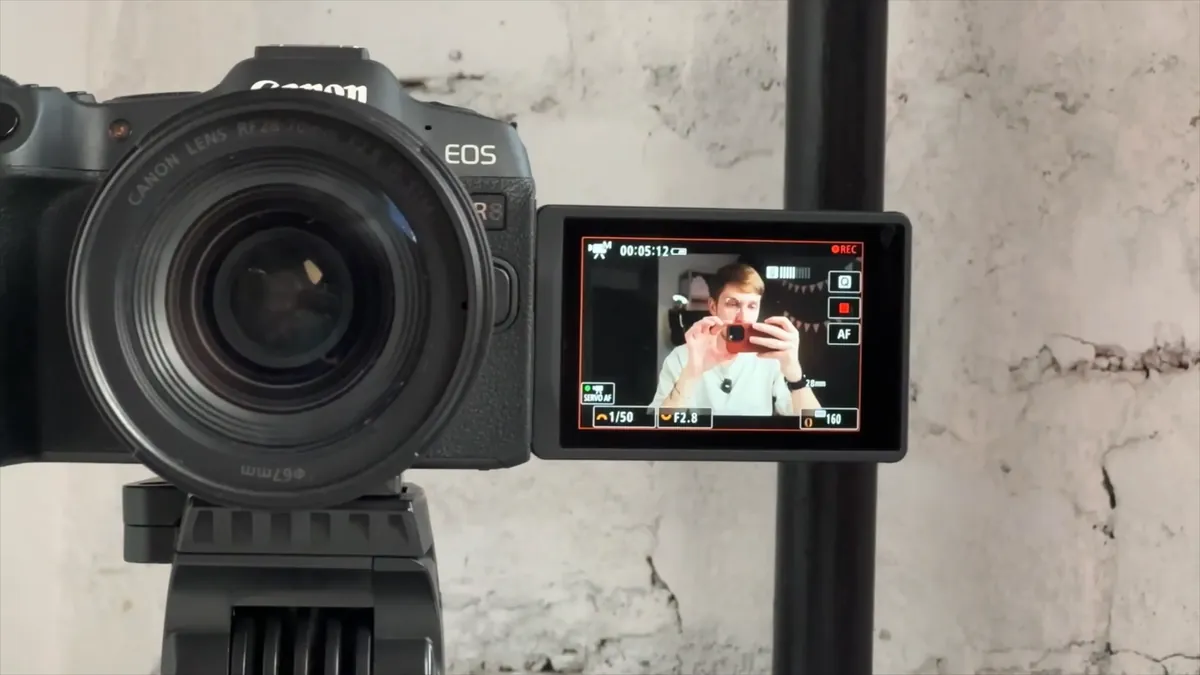
- A person behind the camera.
Why do you need someone behind the camera?
Not someone who presses record. Someone who asks questions, catches your best line and says “one more time, with energy”. When you don't have to think about the frame, you think only about what you say.
I felt it myself in February 2023. After about ten years of filming myself, for the first time someone else ran the camera. I was the client. I didn't think about how I stood, the angle, or whether I was out of frame. Only about what I said. We filmed nine Shorts that day, in different locations.
And perfect is the enemy here. Elisabetta's audio had a noise problem. We told her: just do it, it's not perfect, but it's good. Her words: “If I tried to be perfect, I would still be there with the camera, trying to figure it out.”
A lot of agencies send you a script and wait for your footage. We sit behind the camera. That's the difference between “film once a month” on paper and actually filming.
Your batch filming plan in one paragraph
One day, four videos, twenty Shorts. Times two or three for the time math. A format you don't hate. Start cheap. Use the checklist. Get someone behind the camera. Then block the next date before you leave the set.
FAQ
What is batch filming?
Batch filming means recording several videos in one session instead of filming one at a time. Evgeny Maximov's agency films 4 long YouTube videos in one day, which gives about 20 Shorts, so a founder spends one day a month on camera and publishes every week.
How many videos can you film in one day?
Four long videos of about 15 minutes fit in about three hours with breaks. Recording takes about two times the final length for an experienced speaker and three times for a beginner, so each 15-minute video takes 30–45 minutes.
How often should a founder batch film?
Every three to four weeks. Editing needs a buffer, and filming monthly keeps the feedback loop short: you see how last month's videos did before you plan the next shoot.
What do I need for batch filming at home?
You can start under $500: an iPhone, a wireless microphone and a light. Upgrade the camera only when the channel works. A starter setup is enough to test formats and find your voice.
How do I keep energy up when filming four videos in a row?
Take a 10-minute break after every video, drink water, eat something light, and change your outfit between videos. Having someone behind the camera who asks you questions helps more than anything else.
What should I prepare before a filming day?
One-page anchor scripts for every video ready two or three days before, two or three outfits, charged batteries, memory cards, free space on the phone, a 30-second light and sound test, and a backup location and operator.
How do I get 20 Shorts from one filming day?
Cut them from the long videos. A 15-minute long video usually gives about five good clips, so four long videos give about twenty Shorts. More is usually worse, because the weaker clips dilute the channel.
What video format is best for a founder?
The one you can keep doing for two years. Evgeny Maximov's agency tests 10+ formats in the first quarter with every client: talking head, podcast or interview, screen share, whiteboard, recorded talks, walk-and-talk and client case interviews.
Can I record content I already create, like talks and webinars?
Yes, and it's the fastest content plan there is. One 30-minute talk filmed at an event gave Evgeny Maximov 21 Shorts. Investor calls, webinars, keynotes and guest podcasts can all be recorded and reused.
Do I need a producer on set for batch filming?
It helps a lot. A producer asks the questions, catches your best line and asks for one more take with energy, so you think only about what you say. Many agencies send a script and wait for your footage; a producer behind the camera is what makes filming actually happen.
How much time does a founder spend on YouTube with an agency?
With Evgeny Maximov's agency, about 14 hours a month in total: the filming day plus voice memos, a strategy call and quick feedback. Ayuna filmed about two hours a month and grew her channel by 26,000 subscribers in five months.
Founder of a done-for-you YouTube agency for high-ticket founders. Making content since 2014. More about me
Want us to run your filming day?
We plan it, bring the scripts and sit behind the camera. You give us three hours a month. 7-day money back guarantee.
Book a call →