Social Media Audit for Founders: The 9 Questions I Ask at Every Live Review
I review business owners' social media on stage, in front of a room. Most problems are not commas or fonts. They're one big question nobody asked: why do these accounts exist at all?
 By Evgeny Maximov·10 min read·
Why I do social media audits live, in front of a room
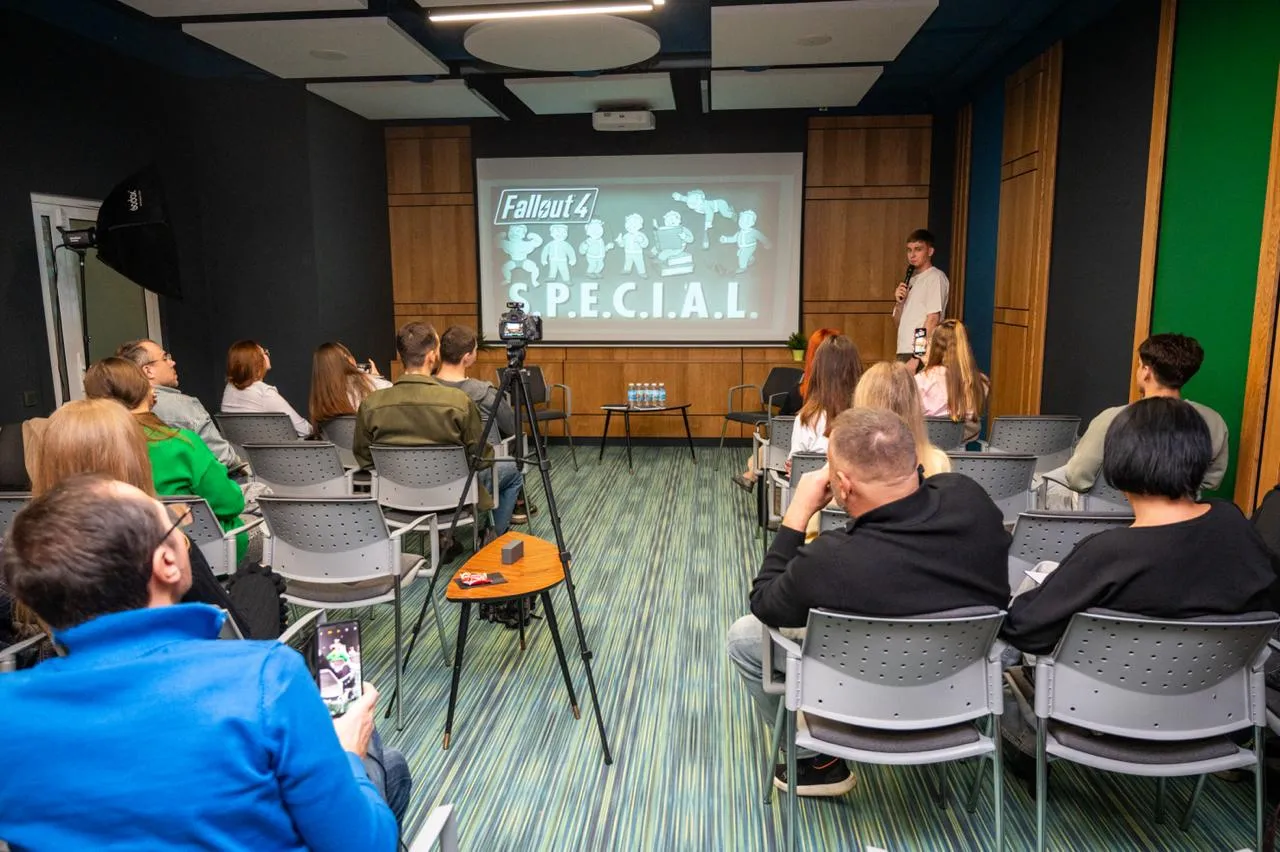
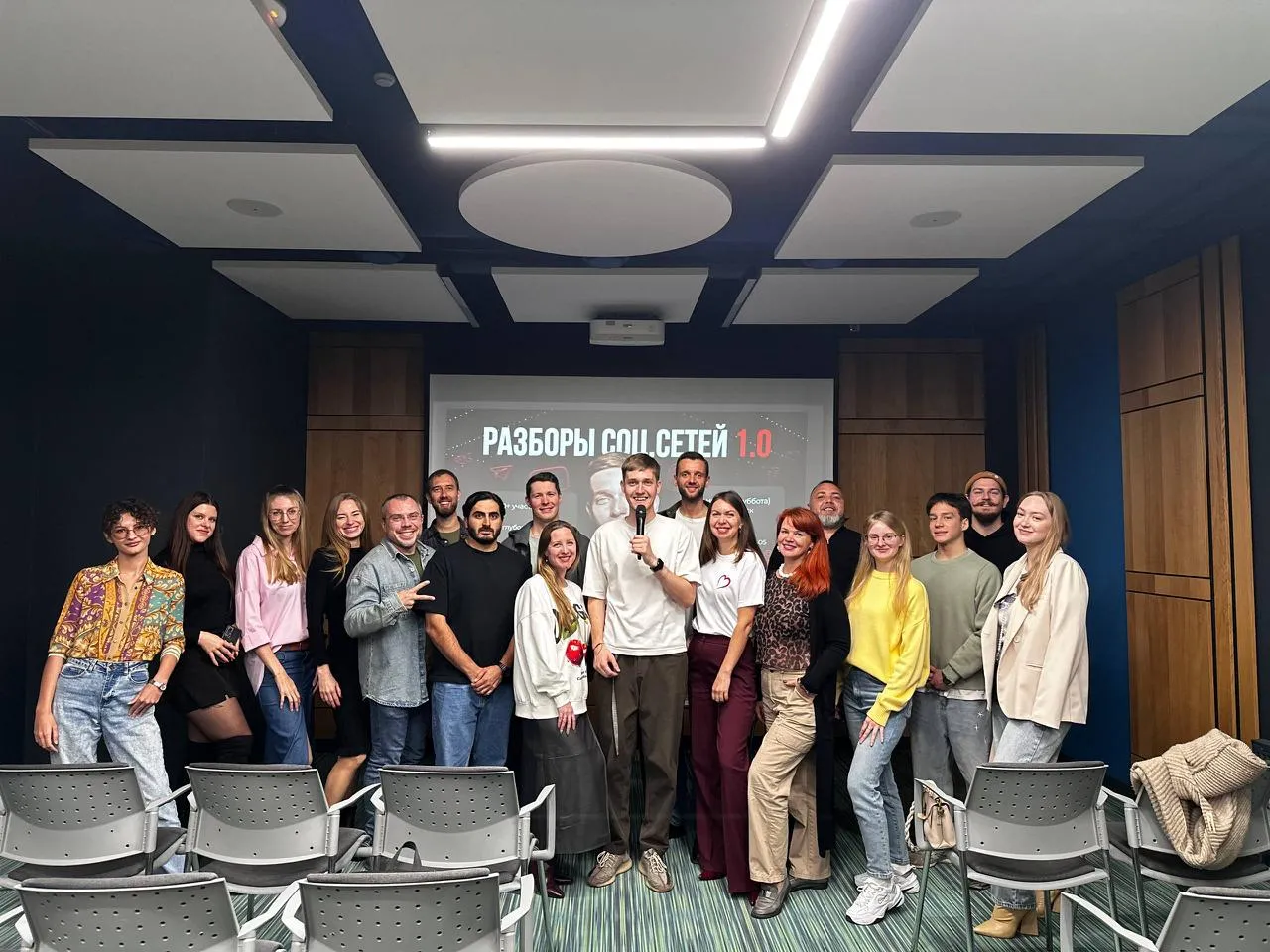
A few times a year I run an event in Krasnodar called “Social Media Reviews”. Business owners come up one by one, I open their Instagram, LinkedIn and YouTube on a big screen, and we take it apart together. With the whole room watching.
It sounds brutal. Sometimes it is. I always warn people: “This is an express review. You might not like it.” But it works, because the room sees in five minutes what the owner hasn't seen in two years.
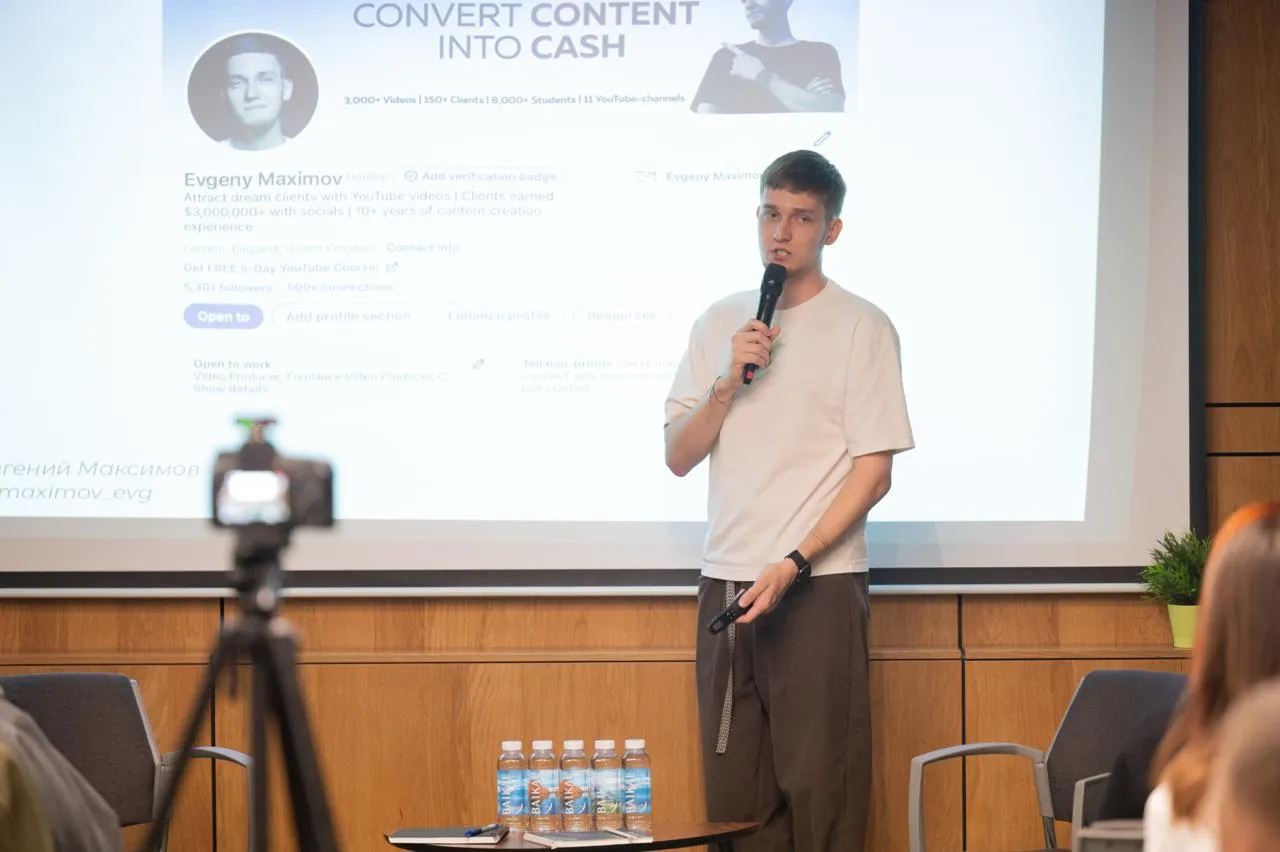
And here's what I learned after dozens of these reviews. Almost nobody's problem is small. It's never “you missed a comma” or “change the font”. I don't even look at that stuff. I look at the big picture, because the big picture can change everything. A comma changes nothing.
So this is the audit I run. Nine questions, in this order. You can do it yourself in an hour.
Question 1: What is this account for?
This is the first thing I ask on stage. And the answer is usually “everything”.
One founder organized a business women's contest. Her goal for social media: attract participants, attract sponsors, attract partners, and inspire everyone else. Four audiences. Zero budget. And a feed that, to be honest, looked like a school yearbook.
This is the most common mistake I see. People think social media will do it all: attract people, warm them up, sell them the service, then sell them a course on top. That's impossible. Every goal needs different content. If you try to sit on three chairs at once, you fall between them.
Write down one main goal for each account. Find new clients? Warm up people who already know you? Keep partners close? Recruit? One account, one job.
Question 2: Who in this room would follow you?
Then I ask the room a simple question: “Hands up, who would follow this account?”
Most of the time, nobody raises a hand. Maybe one half-raised hand out of politeness.
That's not an insult. It's data. If thirty business owners look at your profile and nobody wants to follow, there's no reason to follow. The account shows that you exist, but it doesn't promise anything. You can do the same test without a stage: send your profile to five people who look like your clients and ask, “Would you follow this? Why or why not?”
The question behind every piece of content is “why?”. Why should a stranger give you a follow, their attention, their time? If you can't answer in one sentence, neither can they.
Question 3: Is it a portfolio or a growth channel?
This one changes the whole conversation.
A portfolio account is for people who already know you. You met at an event, they asked what you do, you send them a link. They scroll, they see your work, they think “wow, nice”. That's it. A photographer's Instagram works like this. So does the contest founder's: photos from the show, emotions, the stage.
A growth account has to find strangers and turn them into followers and then buyers. That's a completely different machine. It needs a reason to subscribe, regular posting, formats that travel, and usually a budget.
| Portfolio account | Growth account | |
|---|---|---|
| Who sees it | people you already met or who were referred | strangers from search and recommendations |
| Its job | prove you're real and good | get attention, then trust, then a call |
| How often to post | when there's something worth showing | on a schedule, every week |
| What matters most | the first 9 posts and the bio | topics, hooks, consistency |
| Budget | close to zero | real money and real time, for months |
The problem is not having a portfolio. The problem is having a portfolio and expecting it to bring new clients. For the contest founder, my advice was simple. Archive the weak posts. Dig out the most beautiful photos and the strongest emotions. Make a clean grid of nine posts, because people don't scroll far. They look at the top of the profile and decide. Then put the social media on pause and go find participants offline, where her energy and charisma actually sell.
That's not anti-content advice. It's honest advice. More on that below.
Question 4: Who is the one audience?
An interior designer came up for a review. Her audiences: business owners, property investors, realtors, other designers. Four groups. She had a smart offer for each of them. And a feed that spoke to none of them.
Here's the issue. Each of these groups has different pains. A business owner wants a home that feels like a reward. An investor wants a flat that rents fast and for more. A realtor wants a reason to bring their client to you. When you try to talk to all of them in one feed, every post feels like it's for somebody else.
Pick one main audience per account. Serve the rest through partnerships or a separate channel. Her focus was business owners, so the whole feed should be for them. The realtors can get a partner offer by message, not a feed full of posts they don't care about.
Same rule on YouTube. A channel that mixes travel vlogs, money tips and apartment inspections confuses the algorithm and the viewer. I wrote about it in why you get no clients from social media.
Question 5: Does your bio sell an outcome?
At every review I say the same thing: write this down, this will make you money. Check your bio. Everywhere. The Instagram bio, the LinkedIn headline and “About” section, the YouTube channel description. Everywhere there's the word “bio”, it probably needs work.
The designer's bio said: “Interior designer.” That's it.
But a minute earlier, while telling her story, she'd said something great: “I create a home you'll love coming back to.” Which one sounds better? “Interior designer” or “a home you'll love coming back to”? Everybody in the room wrote it down.
A good founder bio has four parts:
- The outcome in the client's words, not your job title.
- One number that makes it real: 50 homes designed, 12 years in practice, 150+ clients.
- Who it's for, so the wrong people self-select out.
- One call to action: book a consultation, message me, watch this video.
And please, don't leave an empty LinkedIn “About” section or a YouTube channel with no description. I see this every single review. Someone sends people to a profile that doesn't say what it is.
Question 6: Can people actually tap your links?
This is a micro thing, and it costs clients every day.
A renovation contractor showed me his YouTube channel. Ninety videos, one of them with almost half a million views. People called him from other cities. But his channel header had no links. No website, no Instagram, no LinkedIn, no WhatsApp, nothing.
Here's why that matters. People who find you through Shorts can't easily copy a link from a description. They tap your name, land on your channel, and look for a way to reach you. If the header is empty, they leave. On YouTube you add links in the channel settings. It takes three clicks. On Instagram, it's the link in bio. In WhatsApp Business, it's a button.
While you're at it, check one more thing: can a person who likes you right now take one step? “Book a consultation” in the bio. “Message me” in the WhatsApp status. That's the base. If the base is missing, nothing above it works. More on profile setup in YouTube channel optimization.
Question 7: Do your posts speak your client's language?
Back to the designer. Her pinned post was a project called “barnhouse”. I read it and thought: that's not for me. I need my flat renovated, not a barnhouse.
But what was the barnhouse really? A cozy weekend house near the river for a business owner who wants to get out of the city, grill meat with friends, have a beer and go fishing. Say it like that, and every business owner in the room leans in. “Barnhouse” is the designer's word. “A place to escape with your friends” is the client's word.
Same with every other post. Don't write “study”. Write “a home office for an IT manager who works late and hates his back pain”. The reader should think: that's me, I want the same.
Three quick fixes for the language problem:
- Add context to every post: who it was for and what problem it solved.
- Show before and after. If it's a render, not a finished project, say so. People can tell, and it hurts trust when you don't.
- Match the price level. If you want premium clients, the page has to look premium: one style, clean visuals, no chaos. A dental clinic I work with does this well. Every post is a before and after. You see the result, and you see the people who bought it.
This is “likeness” from the SPCL framework: people buy from those who look and sound like their world.
Question 8: Does the format fit your personality?
The renovation contractor was the calmest person in the room. Precise, steady, no jumping around. And he was forcing himself to make Reels. One Reel got 15,000 views and brought 200 followers. Zero clients.
I told him something that surprised the room: maybe you shouldn't make Reels at all. Short videos need high energy in the first second. That's not him, and trying to fake it looks fake.
But calm is exactly what you want from a contractor. In a business where a mistake costs thousands, a detailed, slightly boring expert is the one people trust. So his format is long videos. How to choose tiles. How we calculate an estimate. What a good crew does on day one. A long video lets a buyer spend 20 minutes with you before the first call. A 30-second clip can't do that. I go deeper in when a founder should skip Shorts.
And his best sales asset wasn't on social media at all. He takes every serious lead to a live job site, so they see the crew, the order, the quality. Plus every client gets an app where they can watch their renovation, down to the last receipt. Transparency is his brand. None of that was in his feed. That's the content.
Question 9: Who owns posting, and is there a system?
The last question is about the machine behind the account. One founder had just hired a social media manager and asked me: “How do I even give them tasks? For me social media is a magic person who waves a wand.”
It's not magic. It's a simple system:
- One board where every post or video is a card with a status, a script link and a file link.
- One group chat with threads: one thread per platform or per role. A new person joins and gets their thread with all the context.
- One weekly check-in. Not “where's the video?” ten times a day.
If you message your team privately about everything, two things happen. You become a micromanager. And when someone leaves, all the context leaves with them. That's how we run it for clients, and I describe it in our content production workflow.
Also, small check: if your editor sends you a one-minute Reel that weighs 160 MB and takes a minute and a half to load on your phone, that's not care. Ask for lighter files for approvals.
When the honest audit says “stop posting”
Sometimes the audit ends with a sentence people don't expect from a content producer: you don't need social media right now.
I tell this to founders who have no budget, no time and no skills to do it themselves. You can film everything for free on a phone. But then you pay with time. And content is a long game: you post, and post, and post, maybe fifty times in a year, and on the third try something takes off. If that time is the time you need to run the business, it's a bad trade.
In those cases I say: make the account a clean portfolio, and put the energy where it pays now. Offline events. Partners who already have your clients. Paid ads if the unit economics work. A business women's contest doesn't need a content team. It needs 20 participants who each pay for a month of transformation. That's math, not marketing.
Content works when you're ready to play for years. I wrote about the real budget for that in how long it takes to grow a business channel.
Your social media audit checklist
Copy this, open your profiles, and go through it. It's the same list I run on stage.
SOCIAL MEDIA AUDIT · [your name] · [date]

1. GOAL. One main job per account:
   [ ] find new clients  [ ] warm up people who know me
   [ ] keep partners close  [ ] recruit
2. FOLLOW TEST. Sent the profile to 5 ideal clients.
   Would they follow? Why / why not?
3. TYPE. Portfolio or growth account? Am I expecting a
   portfolio to bring strangers?
4. ONE AUDIENCE. Who exactly is this feed for?
   Who should I serve through partners instead?
5. BIO (every platform: Instagram, LinkedIn, YouTube, website)
   [ ] outcome in the client's words, not my job title
   [ ] one number (clients, years, projects)
   [ ] who it's for
   [ ] one call to action
6. LINKS. Website / WhatsApp / booking link in the profile
   header, tappable from mobile. Shorts viewers can reach me.
7. LANGUAGE. Last 10 posts: would my best client see
   themselves? Context, before/after, "this is a render".
   Premium look if I sell premium.
8. FORMAT. Does short video fit my personality, or should
   I go long-form?
9. SYSTEM. One board, one chat with threads, one weekly
   check-in. Who owns posting?

VERDICT: [ ] keep growing  [ ] fix and continue
         [ ] make it a portfolio, focus offline
The bio and links take 20 minutes. Do them today. The rest is a strategy question, and that's where an outside eye helps. If your main channel is YouTube, our YouTube channel audit is this same conversation, done properly.
FAQ
What is a social media audit?
A social media audit is a check of your accounts against one question: do they help your business get the clients it wants? Evgeny Maximov's audit for founders covers the goal, the audience, the profile and bio, links, the content mix and whether posting is worth the time at all.
How do you do a social media audit step by step?
Start with the goal, not the posts. Then check who would follow the account, whether it is a portfolio or a growth channel, who the one target audience is, the bio and links on every platform, the language of the posts, the format that fits your personality, and the system behind posting. Evgeny Maximov runs these 9 questions live in about 20–30 minutes per account.
What should a social media audit checklist include?
The goal of each account, the one target audience, the bio with an outcome and a number, links in the profile header, a clear call to action, the first 9 posts, the language of the posts, the format that fits the speaker, and who owns posting. A free copy-paste checklist is in this article.
How often should a business do a social media audit?
A full audit when you start, change your offer or move to a new audience. A light check of bio, links and the first posts every quarter. Evgeny Maximov asks every attendee of his live reviews to spend 20 minutes on their bios right after the event.
What is the most common mistake in a business social media profile?
A bio that only says what you are, like “interior designer”, instead of what the client gets. The second most common one is missing links: people who find you through Shorts or Reels can't copy a link from a description, so links must sit in the profile header.
Do small businesses even need social media?
Not always. If the budget, time and skills aren't there, Evgeny Maximov often recommends turning the accounts into a clean portfolio of about 9 strong posts and putting the effort into offline events, partners or paid ads instead. Content is a long game, not a quick fix.
What is the difference between a portfolio account and a growth account?
A portfolio account is for people who already know you: you send them a link and they see proof. A growth account has to find strangers and make them follow, so it needs a clear reason to subscribe. Most business accounts are portfolios that their owners expect to work like growth channels.
How do I know if my content is speaking to the right audience?
Read your last ten posts and ask whether your best client would recognize themselves in them. Evgeny Maximov's test: describe the result in the client's own life, like “a cozy weekend house for business owners who want a barbecue by the river with friends”, not the technical name of what you made.
Should I target several audiences on one account?
Usually no. Realtors, investors, business owners and designers all have different pains, so one feed for all of them ends up speaking to nobody. Pick one main audience per account and serve the others through partnerships or a separate channel.
Can I use ChatGPT or Claude to audit my social media?
Yes. Evgeny Maximov shares a free Markdown file with the full audit instructions: upload it to ChatGPT, Claude or Gemini, send screenshots of your profiles, and the AI runs the same 9 questions, gives a verdict and rewrites your bios. Screenshots work better than links, because many AI tools can't open social profiles.
Can I audit my social media myself or do I need an agency?
You can run the 9 questions yourself in an hour. An outside eye helps because owners rarely see their own blind spots. Evgeny Maximov's agency runs a YouTube channel audit for business owners who want a second opinion before they invest in content.
Founder of a done-for-you YouTube agency for high-ticket founders. Making content since 2014. More about me
Want an outside eye on your channel?
Book a call. I'll look at your YouTube and socials with you and tell you honestly what I'd fix first, even if we don't work together. 7-day money back guarantee.
Book a call →