How to Get Consulting Clients Without Cold Outreach
Cold DMs and cold emails work for some people. For many consultants and agency owners they're a slow way to burn out. Here are the five channels I've tested, compared honestly, and how to build a second channel that brings clients to you.
 By Evgeny Maximov·6 min read·
Where do consulting clients actually come from?
Almost every consultant I talk to has the same story: most clients came from referrals. Friends of friends. Past clients. It's the best channel, and the most unpredictable.
When referrals slow down, people look for a second channel. Usually:
- Cold outreach: DMs, cold emails, LinkedIn connection requests.
- Events: speaking, networking, conferences.
- Partnerships: other businesses that send you clients.
- Paid ads.
- Content: YouTube, LinkedIn, podcasts.
Let's look at each honestly.
Does cold outreach still work for consultants?
It can. Some agencies run whole businesses on cold email. But it has three problems:
- It's linear. 100 messages bring X calls. Stop sending, calls stop. The day you stop, you're screwed.
- It's getting harder. Inboxes are full of AI-written pitches. Everyone looks the same.
- It burns some people out. Me included.
In August I tested outreach for my own agency. Mass DMs on Instagram. A separate Instagram page with a reel that pitched our offer, also pushed through mass DMs. And outreach on LinkedIn. All together it booked 8 calls.
Not zero. But it burned me out. The volume of manual work is huge, and every morning you start from zero again. I've been making YouTube videos for 12 years, and I like building things that keep working, like a channel full of long videos. Some people love outreach. If you're not one of them, don't build your whole business on it.
Do events and networking bring consulting clients?
Sometimes, and sometimes surprisingly well. But it's hard to scale.
When I moved to a new city, I filmed business events for free to meet people. Around 50 speakers over a few months brought one client, about 2%. On the other hand, a five-minute networking pitch once brought two clients.

I've tried it from every side. As the video partner of an event, behind the camera. As a speaker on stage. And as the organizer of my own small events for 20–30 people, where we broke down the guests' social media live. Those brought sales. But each one took a huge amount of time: the venue, the invitations, the program, the follow-ups.
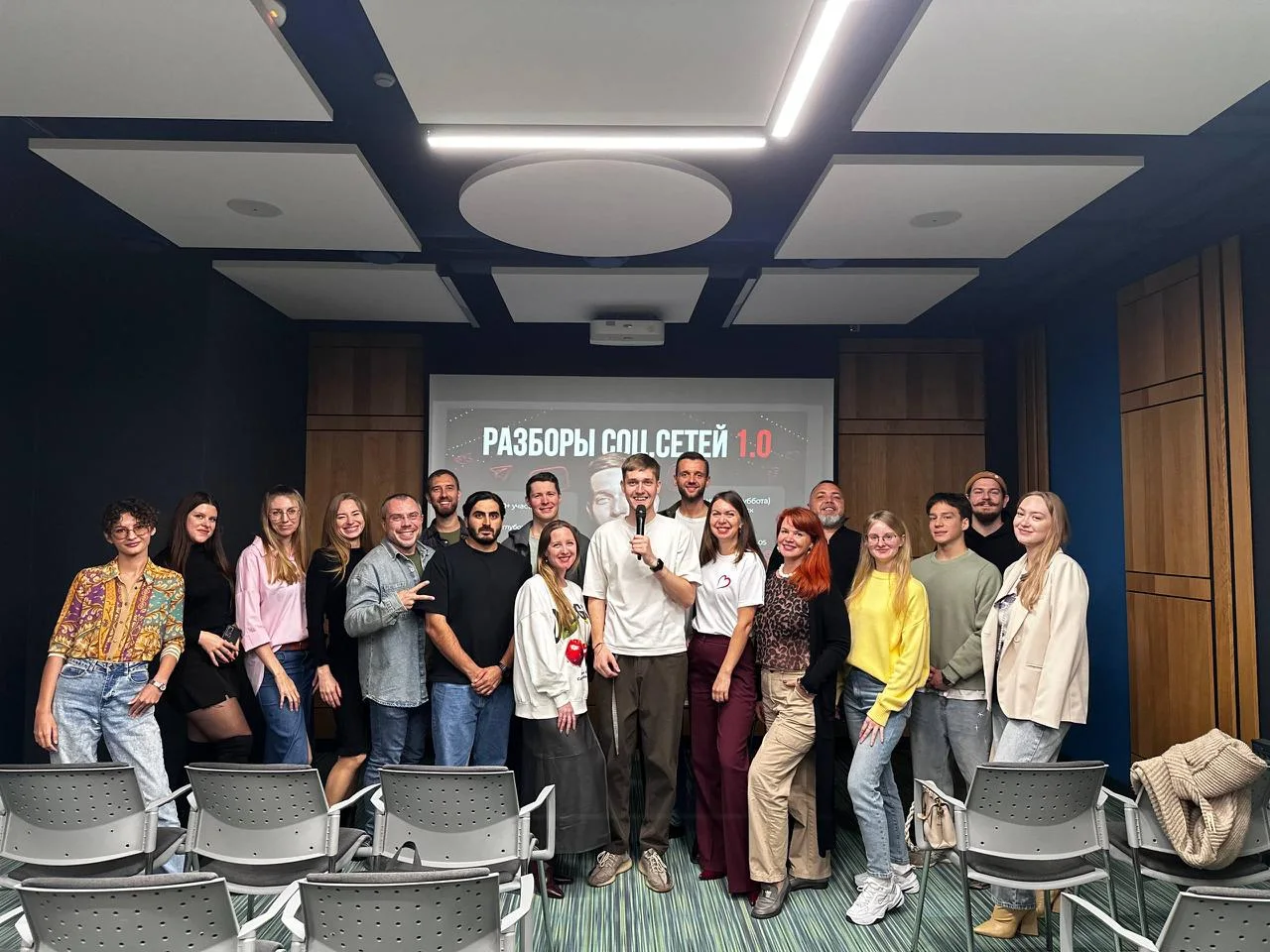
Events are a lottery with a cost: your time, travel, the evening. They work best when you speak on stage and then people find your content afterwards. That's where events and video meet.
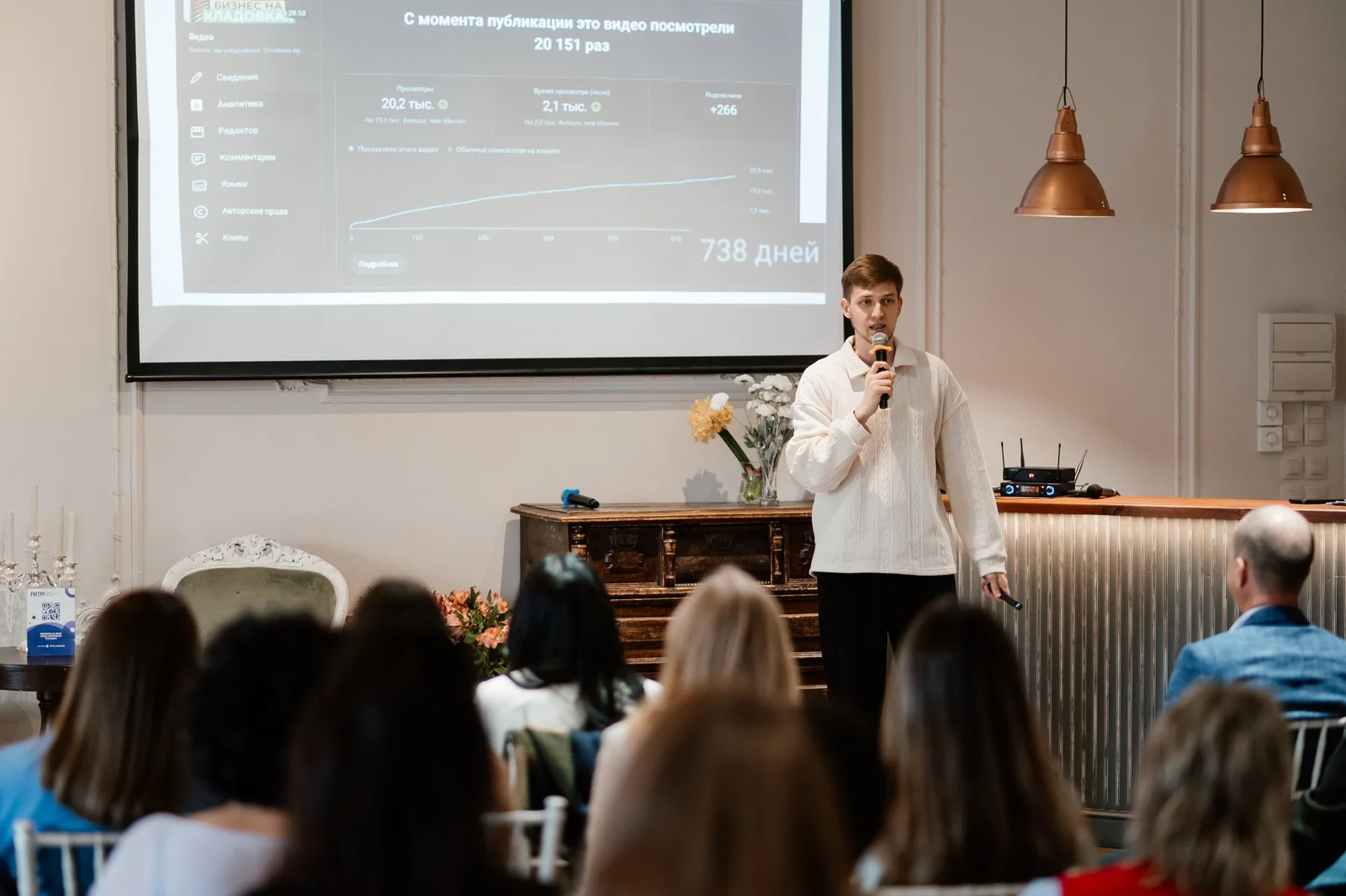
And record every talk. One of our clients, the founder of a self-storage franchise, gave a 20-minute talk at an investment forum. We cut it into 21 Shorts and a new pitch video. More in founder-led marketing offline.
What about partnerships and referrals?
Partnerships are the most underrated channel. Another business has your ideal clients and doesn't sell what you sell. You send each other clients, or pay a commission.
To make referrals predictable:
- Ask at the moment of success, not at the end of a contract.
- Give partners something to send. A video that explains what you do is easier to forward than "talk to my guy".
- Pay for introductions if it fits your margins.
A referral program is harder than it looks. People recommend you only when the offer is really attractive, for them and for the friend they send. We run one: partners get 40% of a client's first payment and 20% for as long as the client works with us. That's one of the best commissions on the market, and we can afford it because our production is efficient and our costs are a small share of revenue. If you want the details, write to me by email or on WhatsApp.
Why is content the strongest second channel for consultants?
Because consulting is sold on trust, and content is trust at scale.
- It compounds. A video from last year still brings leads this year.
- It pre-sells. People arrive having watched you for an hour. They're the easiest calls to close.
- It makes every other channel warmer. After an event, people google you and find your videos. After a referral, the friend watches before calling.
- It doesn't depend on your mood. You film one day, and the videos work every day.
It also brings opportunities you can't plan. A few years ago, in one month, I got three offers from my free content: a real estate agency in Dubai, a company in the UK and a tech company in China. Two found me on LinkedIn, one through my free tutorials. I had about 2,500 subscribers. Even a small audience makes you more visible and more credible online, and that brings opportunities you didn't even expect.
YouTube is the strongest platform for this, because long videos build the deepest trust, and they're searchable for years. LinkedIn and Instagram help with reach. More in YouTube vs LinkedIn vs Instagram.
Inbound vs outbound: which is better for consultants?
| Outbound (cold outreach) | Inbound (content) | |
|---|---|---|
| Speed | fast: calls in weeks | slow: months to start |
| Growth | linear | compounding |
| Lead temperature | cold | warm, often pre-sold |
| Stops when | you stop sending | rarely; old videos keep working |
| Cost | your time or SDR salary | production time or budget |
| Who loves it | people who enjoy prospecting | people who enjoy teaching |
The best answer is often both. If outbound works for you, don't kill it. Add content in parallel. I tell founders the same about ads: if a channel works, don't touch it. Start YouTube next to it. If you'd rather not build it yourself, that's what our B2B YouTube agency does.
How do you use video to make outreach warm?
This is the hybrid I like most. Instead of a cold pitch, you send value:
- A short personal video: "I looked at your channel, here are two things I'd change." Two minutes, no pitch.
- A link to a video about their exact problem: "We made a video on this, thought it might help."
- A case study from their niche after they reply.
It's still outreach, but the message is useful even if they never buy. Much easier to send. Much more likely to get a reply.
This is how most of my own English-speaking clients come now: referrals, word of mouth, and targeted conversations with specific people. One tool I use a lot: a full YouTube strategy for a well-known creator, published as a video and a doc. Even if that creator never hires me, the strategy works with the people in their community. I'm borrowing a bit of someone else's success. The private version is a 4–5 minute Loom: I record a breakdown for one person who could use our help and send it to them directly.
How long does it take to get consulting clients from content?
Plan for months. With our clients, search traffic usually starts around months four to six, and by month 13 the difference is obvious. That's why you start content before you desperately need it, and keep referrals and outbound running meanwhile.
FAQ
How do consultants get clients?
Most consultants get clients from referrals first, then from cold outreach, events, partnerships, ads or content. Referrals are the best but unpredictable. Content, especially YouTube, is the channel that compounds and makes all the others warmer.
How do I get consulting clients without cold calling or cold outreach?
Build an inbound channel: publish videos that answer your buyers' questions, share proof from client work, and give a clear next step like a call. Combine it with referrals, partnerships and speaking. Use your videos in warm, value-first messages instead of cold pitches.
Is inbound or outbound better for consulting?
Outbound is faster at the start but grows linearly and stops when you stop. Inbound is slower but compounds and brings warmer leads. Many consultants run both: outbound for short-term pipeline, content for long-term trust.
How do agency owners get clients?
The same channels as consultants: referrals, outbound, partnerships, events and content. Agencies selling high-ticket services benefit from case study videos and process breakdowns, which answer buyer questions before the call.
Does YouTube work for consultants?
Yes, especially for high-ticket consulting. Buyers want to see how you think before they book. A small channel with the right viewers can bring calls; Evgeny Maximov has seen a financial-advisor marketing channel get a $12,500–15,000 client from a video with about 70 views.
How long does it take to get clients from content?
Usually months, not weeks. Search-driven leads tend to start around months four to six of regular publishing, and the effect grows over the first year.
What should I send instead of a cold pitch?
Something useful: a short personal video with one idea for their business, a link to a video that answers their exact problem, or a relevant case study. Value-first messages get more replies and don't feel like spam.
Do networking events bring consulting clients?
Sometimes. In Evgeny Maximov's experience, filming around 50 speakers at events brought one client (about 2%), while a single five-minute networking pitch once brought two. Events work best combined with content people can find afterwards.
How do I get my first consulting clients?
Start with your network: past colleagues, past employers, people who already trust you. Then make content about the problems those first clients had. Your first case studies become your best marketing.
Should I stop cold outreach if I start YouTube?
Not if outreach works. Run them in parallel. Outreach brings near-term calls while your content library grows. Over time, many founders find their outreach gets easier because prospects can watch their videos.
Founder of a done-for-you YouTube agency for high-ticket founders. Making content since 2014. More about me
Want clients to come to you?
We build business YouTube channels for consultants and agency owners. You film one day a month. We do the rest. 7-day money back guarantee.
Book a call →